

The Complete Mauga Strategy Guide for Overwatch 2 in 2025

- Combat Strategies
- Optimizing DPS and Berserker Passive
- Chaingun Techniques in Overwatch
- Optimizing Reloads for Sustained Combat
- Understanding Stomping in the Game
- Understanding In-Game Strategies
- Engagement in Overwatch Matches
- Engagement Strategies in Overwatch
- Benefits of Soft Engaging in Gaming
- Analysing Gameplay Decisions
- Understanding Ultimate Ability Usage in Overwatch
- Malga’s Abilities in Overwatch
- Understanding the Uses of Fortify
- Understanding Cardiac Overdrive in Competitive Gaming
- Chain Guns and Cardiac Overdrive
- Understanding Cage Usage in Overwatch
- Mastering Cage Strategy in the Game
- Dealing with Overwhelm in Your Cage
- Strategic Gameplay in Cage Fights
- Understanding Malo’s Playstyle
- Understanding Playstyles in Malo
- Falcons and Ants Strategy in the Game
- Baiting Tactics in Gaming
- Playing D.Va Strategically
- Strategies Against Hazard Player in Overwatch
- Tips for Beating Queen in Overwatch
- Malga versus Ratra
- Understanding the Reinhardt vs. Malga Matchup
- Strategies in Overwatch Matches
- Understanding Malga vs. Sigma Matchup
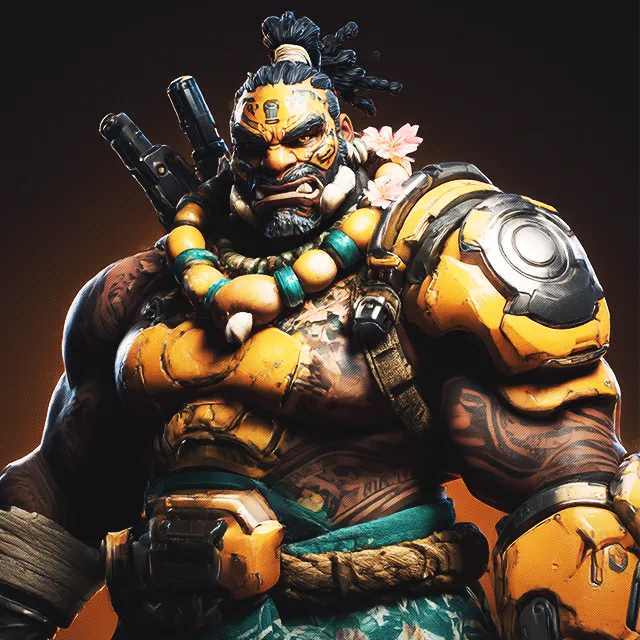
Hello, champions! I’m Librarian Husky, here to guide you through mastering Mauga in Overwatch 2. Remember, Mauga’s strength lies in linking your sustain to the damage you deal, so keeping an eye on your armor and ammo is crucial. We’ll dive into smart ways to manage your cardiac overdrive, perfect your pin baiting, and know when to disengage to stay unkillable. Ready to elevate your tank gameplay and dominate the battlefield? Let’s get started!
Combat Strategies
Malga’s cage ability is straightforward but effective. Use it to split the enemy front line, creating openings for your team. Additionally, if you catch a squishy target inside the cage, you can burn them down quickly, maximizing your impact.
Malga’s Weaponry
Malga wields the BTEC TF2 heavy minigun, which costs $400,000 to fire for 12 seconds. He can switch between two modes: the incendiary chaingun, which ignites enemies causing 15 DPS for 4 seconds, and the volatile chaingun, which deals critical damage to burning enemies. Both guns deliver 4 damage per bullet, totaling 72 DPS, but reduce Malga’s movement speed by 15%.
Optimizing DPS and Berserker Passive
You can fire both chainguns simultaneously to double your DPS, but beware the significant spread and a 30% reduction in movement speed. This is also when your Berserker passive shines, converting 50% of all critical damage into health, improving your survivability in fights.
Effective Enemy Strategy
A fundamental tactic is to ignite enemies with your incendiary chaingun first, then switch to the volatile chaingun to maximize damage while they burn. This simple combo is the cornerstone of Malga’s damage output.
Strategic Engagement in the Game
Be cautious when engaging, especially against tough opponents like Brick. Malga sometimes overcommits thinking he can punish the enemy, but lacking armor means he will lose sustained fights despite abilities like cardiac overdrive. Knowing when to disengage is as important as when to attack

Chaingun Techniques in Overwatch
A critical aspect of playing Malga effectively is mastering target priority. Due to Malga’s hero design, focusing on enemy tanks is essential to maintain your sustain through damage output. However, flexibility is key—if you spot a vulnerable target like an overextending Brig, especially when teammates are also attacking her, switching focus can be advantageous.
Optimizing Reloads for Malga
Malga’s reload time is one of the longest in the game, clocking in at 2.2 seconds. Managing your reloads effectively can mean the difference between life and death in sustained fights.
Optimizing Reloads for Sustained Combat
Because Malga converts critical damage into health via his passive, timing your reloads before engagements is crucial. Avoid reloading mid-fight to maintain continuous pressure. Keep an eye on your HP and ammo counters, typically visible on the lower part of your screen, to plan your reloads proactively.
Understanding Malga’s Abilities for Effective Engagement
Malga’s signature ability, “Uh, guys, we got to come up with another plan”, allows him to charge into the enemy team with a 50% damage reduction. The charge covers up to 28 meters and is followed by a stomp dealing 150 damage in an inner radius and 75 in an outer radius. Additionally, colliding with enemies during the stomp inflicts 30 damage. This ability has a cooldown of 5 seconds.
Understanding Stomping in the Game
Note that this ability is currently considered over-tuned, so expect potential adjustments in future patches.
Types of Stomping: Hard Engage vs. Soft Engage
There are two primary ways to use your stomp (also called a pin): hard engage and soft engage. Hard stomping involves fully committing to the stomp, hitting multiple enemies, and maximizing damage to quickly eliminate foes. Soft stomping is more nuanced: you start the stomp but cancel it mid-way, either retreating to cover or repositioning, sometimes running through enemies without committing fully, ending near your team instead.
Choosing the Right Stomping Strategy
Choosing between hard and soft stomps depends on situational factors. Hard stomps are best used when you have clear advantages or specific triggers favoring an aggressive play. Soft stomps allow for safer positioning and flexible responses during engagements.
Understanding In-Game Strategies
In Overwatch, knowing when to engage or hold back is essential. If the enemy Aror lacks key abilities like sleep, damage over time (dot), or nade, that presents an opening to push aggressively. Similarly, tracking ultimates—both yours and the enemy’s—can dictate your timing.
Key Elements of Tactical Play
Positional triggers often mean punishing poor enemy positioning or leveraging your team’s superior placement, such as your DPS holding advantageous angles. Another crucial factor is the number of players alive on each side; for example, a 5v3 scenario favors a hard engage far more than an even 5v5.
Engagement in Overwatch Matches
Numbers also relate to how many allies are actively engaging an enemy. For instance, if a Genji and Venture dive alongside you onto a single Baptist, that’s effectively a 3v1 situation.
Gameplay Strategy
A solid example comes from Smur’s play. Felder landed a crucial sleep dart on Ghost, giving Smur a huge positional advantage since the Baptist was immobilized. This also created a numbers advantage and HP advantage because Smur was at full health. He capitalized on this by stomping on Ghost. Another similar play was made by Handin at the Stockholm finals.
Engagement Strategies in Overwatch
In this case, Smur’s team pinged the nearby Brig, signaling a positional trigger. Smur had his cage ultimate ready, an ultimate trigger, and his Reaper was engaging, creating a numbers trigger.
Soft vs. Hard Engagements
Knowing when to soft engage is just as important. Soft engagements occur when you have some minor advantages but not enough to fully commit to a hard engage. This allows you to maintain pressure while minimizing risk until a more decisive moment arises.
Benefits of Soft Engaging in Gaming
Soft engaging in Overwatch serves two main purposes. First, it creates space by drawing enemy attention towards you, as players instinctively want to avoid being stomped. Second, it diverts attention, allowing your team’s DPS to safely advance and take control of key areas.
Key Factors in Soft Engagement
Soft engagements are triggered by slight advantages such as positional, ultimate, or numbers benefits. Players initiate soft engages when they want to capitalize on these smaller edges without committing to a full hard engage. This measured approach helps maintain pressure and map control while minimizing risk.
Analysing Gameplay Decisions
Mistakes in coordination often stem from failing to consider key factors such as cooldowns, positioning, and teammate support. For example, isolating an enemy Ashe without accounting for her team’s ability to assist—like bubbles from Sera or heals from Ana—can lead to unfavorable outcomes. Even if Ashe appears split, heroes like Kyro, Zarya, and Ana can still provide significant support from nearby positions.
Understanding Team Coordination
Effective decision-making in fast-paced moments requires awareness of how heroes synergize. Recognizing when teammates like Theor can assist, or when enemy cooldowns are available, helps avoid poor plays. Strong coordination and understanding the interplay between heroes is crucial for maximizing team potential and winning engagements.
Case Study with Grandmaster Malga
In a coaching session with a Grandmaster Malga, a common error was highlighted: attempting aggressive plays without fully accounting for enemy support and cooldowns. For example, trying to isolate an Ashe who quickly escapes with a coach gun and receives a bubble shield from Sera can result in losing the fight. This underscores the importance of assessing numbers, cooldowns, and positioning before committing.
Understanding Ultimate Ability Usage in Overwatch
Using ultimate abilities effectively requires understanding the right moment to engage. There is no universal trigger for Malga’s stomp. For example, if the Ashe is at one HP and you know Kyro lacks S.U.U. or Ashe has no Coach gun, then a stomp could work. However, a better approach is to cancel the stomp early to gain a free bubble from your teammate, increasing survivability.
Optimizing Ability Usage for Strategic Advantage
Strategic ability usage involves recognizing when to commit and when to retreat. Cancelling a stomp at the right moment allows you to maintain pressure while preserving resources. This small but crucial decision can swing engagements in your favor.
Malga’s Abilities in Overwatch
A solid combo is to use your stomp followed by cardiac overdrive to quickly eliminate targets like Zarya, especially after she uses her bubble. This tactic can force opponents to waste defensive abilities and creates openings for your team to capitalize on.
Mal’s Second Ability: Defensive Mechanism
Mal’s second ability is often considered the worst designed in Overwatch but serves an important role. It reduces damage taken by 40% and heals you for 100% of the damage dealt over 3 seconds. Teammates benefit from half of these effects. With a 12-second cooldown, this functions similarly to fortify but also aids allies.
Understanding the Uses of Fortify
Fortify has two primary roles: defensive and aggressive. Defensively, it helps you absorb damage when engaging, acting like an emergency button to survive tough situations. Aggressively, it requires more precise timing to maximize damage output while mitigating incoming attacks.
Defensive Application of Fortify
Activating fortify defensively provides a temporary shield that reduces damage, allowing you to withstand enemy fire during critical moments. This use is essential when initiating fights or retreating from unfavorable engagements.
Aggressive Strategies with Fortify
Using fortify offensively enables you to push harder into enemy lines, dealing damage while recovering health from your attacks. This approach demands careful planning to avoid overextension but can turn the tide of fights when executed properly.
Understanding Cardiac Overdrive in Competitive Gaming
There is a common misconception that cardiac overdrive should always be saved for later in fights. However, if you see immediate triggers to gain value, using it early is often very reasonable. For example, in the first fight of the Stockholm finals, Handen activates cardiac overdrive as soon as the Reaper enters, aggressively pushing onto Junin. The increased sustain for Malga and Reaper significantly lowers Junin’s HP, giving Team Falcons a huge advantage. That said, it’s important to remember that death is still possible during cardiac overdrive, especially without armor.
Strategic Use of Abilities
Competitive gaming demands fast decision-making and strategic ability use. While players often hesitate to use cardiac overdrive early, seizing the right moment can be crucial. Handen’s immediate activation in the Stockholm finals demonstrates how timely use can tip the fight in your favor. Despite its benefits, players must remain cautious as lack of armor leaves them vulnerable even during cardiac overdrive.
Chain Guns and Cardiac Overdrive
Considering the damage output, firing both chain guns during cardiac overdrive, with one gun landing guaranteed crits, yields approximately 216 DPS. This translates to 216 healing per second (HPS) while in cardiac overdrive. Adding armor effectively turns this into a 3-second Transcendence on cooldown, providing massive sustain and survivability.
Malo’s Ultimate Ability: “Two Chains”
Malo’s ultimate, “Two Chains”, deploys a 1500 HP barrier with a 7-meter radius, trapping both Malga and enemies inside. The barrier lasts for 8 seconds but can be canceled anytime. The use of this cage remains largely consistent with its original design. In solo queue, it is often used to force favorable duels against characters who dislike close-range fights.
Understanding Cage Usage in Overwatch
Certain heroes like Hanzo, Widow, Ilari, and Soldier strongly avoid being trapped inside the cage. Similarly, squishy tanks such as Doomfist, Queen, or Zarya without bubbles prefer to stay out of it. In recent Malga mirrors, these ideal cage targets may not always be available. Still, cage is not difficult to use effectively. The main goal is to isolate the frontline, splitting a tank or key hero from their team to create advantageous fights.
Effective Isolation Strategies
When deploying cage, focus on heroes that prefer to avoid confinement, such as Hanzo, Widow, Ilari, and Soldier. Likewise, squishy tanks like Doomfist, Queen, or bubble-less Zarya also dislike being caged. Even if ideal targets are unavailable, mastering cage usage revolves around isolating frontline heroes, creating space and disarray within the enemy team to capitalize on fights.
Mastering Cage Strategy in the Game
In this example, Handin uses the cage to isolate Jumin by stomping deep, allowing him to secure a favorable HP trade. However, caging doesn’t always have to focus on Malga; you can trap a Brick who has pushed up aggressively. The key is to avoid trapping the entire enemy team, as this causes self-isolation. The essence of cage is to create isolation that forces a clear numbers advantage — turning a 1v5 into a 5v3 scenario in your favor.
Understanding Cage Isolation and Strategy
Building on this, it is important to understand the concept of cage cancels and when to use them effectively.
Dealing with Overwhelm in Your Cage
The concept is straightforward: if you find yourself overwhelmed inside your cage, you must cancel it and retreat. Christopher, former head coach of SSG, discussed this strategy in the latest “Uncoachable” episode, emphasizing the importance of timely cage cancellation to avoid unnecessary deaths.
Example Match: Falcons versus Nightmare
A good demonstration of this strategy is visible in the match between Falcons and Nightmare, which highlights effective cage usage and cancellation.
Strategic Gameplay in Cage Fights
In one notable fight, the team “infected” intentionally caged their opponents and then used a tactic where they break the cage as soon as the enemy activates a beam attack. Fighting inside the cage against a beam is disadvantageous, so trading cage control for avoiding the beam is a winning trade. Notice where infected is positioned, ready to capitalize on the opportunity to pop the cage at the right moment.
Understanding Tactical Decisions
This scenario illustrates a tactical approach to engagements: by breaking out of the cage during an enemy’s beam attack, players avoid being trapped and vulnerable. This maneuver allows them to shift the fight momentum, showing a clear winning strategy.
Understanding Malo’s Playstyle
In one situation, Malo uses a three-person cage but ends up charging away, demonstrating flexibility in playstyle and decision-making within cage fights.
Understanding Playstyles in Malo
Malo’s playstyle is defined by careful positioning and adaptive strategies. One of the most critical aspects, especially for ground tanks without shields, is pathing. For example, SM opts to take the low ground to the left rather than the main point to avoid heavy damage. This pathing choice enables a strong engage on Cassidy with almost full HP, showcasing the importance of smart positioning.
Burning the Frontline
A common strategy for Malo is to burn the frontline. This tactic is effective for regaining HP and is especially useful against weaker frontline tanks like Doomfist or Winston. Early pressure forces these tanks to give up valuable space, allowing your team to gain control.
Diving or Dueling Squishies
Another key playstyle is to dive or duel squishy targets. It is crucial to avoid tunnel vision on these targets and maintain awareness to switch playstyles as the situation demands.

Falcons and Ants Strategy in the Game
The Falcons team focuses on aggressively pressuring the enemy’s backline. Ana applies consistent ranged pressure, while Kevster is tasked with marking threats like Hanzo. Smurf is advised to avoid overcommitting to shooting Sigma to prevent unnecessary losses. The team prioritizes skirmishing around key triggers such as landing sleep darts or executing powerful ultimate combos to break through to the backline.
Team Coordination and Strategy Execution
Executing the Falcons and Ants strategy requires tight team coordination. Players must communicate effectively and synchronize their abilities to capitalize on enemy positioning and movements. Proper timing and role understanding are essential to creating opportunities, securing advantageous fights, and ultimately winning engagements. Consistent practice and clear communication underpin successful implementation of this high-pressure tactic.
Baiting Tactics in Gaming
Baiting involves stomping away and absorbing enemy engagements to create advantageous situations. A subtle but vital tip for pulling this off is maintaining distance from enemies while engaging. For example, Hardy swings far from the corner, creating enough space from infected to safely stomp away without getting caught.
Key Strategy for Effective Baiting
Successful baiting hinges on creating distance while still drawing enemy attention. This requires precise positioning and situational awareness to lure opponents into overcommitting, giving you the opportunity to outmaneuver or punish them.
Analysis of Overwatch Tank Matchups
The principle of baiting around corners with distance remains strong, even though certain fights might be lost due to other factors, like poor ultimate usage, as seen in SSG’s last engagement.
Malga vs. D.Va
In tank matchups, Malga versus D.Va has shifted over time. Currently, it heavily favors D.Va, who can absorb cardiac overdrive, retreat to unreachable high ground, and reduce incoming damage through her armor, making her a difficult opponent.
Playing D.Va Strategically
To counter D.Va, your best options are either to stomp and pressure her directly or use baiting tactics to force her retreat or dive onto the backline with a well-timed stomp. Pay close attention to boosters, as their cooldowns provide the window for executing these plays.
Understanding the Malga vs. Doomfist Matchup
The Malga versus Doomfist matchup is straightforward, but requires knowledge of timing and ability usage to effectively counter Doomfist’s aggression.
Insights from Coach Cuffy
Coach Cuffy emphasizes mastering pre-fight engagement to control tempo, especially against players like Hazard. Utilize abilities like Stomp to disrupt key defenses such as power blocks and exploit windows of vulnerability. Recognizing Hazard’s playstyle, similar to D.Va’s, helps anticipate moves and secure victory through precise execution.
Strategies Against Hazard Player in Overwatch
Countering a Hazard player requires tactical pressure and disruption. Use fake stomps to bait him out of position, forcing mistakes or escapes. Applying early pressure to interrupt Doomfist’s actions or intercept advances can effectively hinder his gameplay, though skilled Hazard players will try to evade confrontation.
Malga vs. Queen Matchup
Malga holds an advantage against Queen due to her larger hitbox. Exploit this size difference to gain the upper hand in engagements and pressure Queen into unfavorable fights. Precision and timing are essential to capitalize on this edge.
Tips for Beating Queen in Overwatch
Queen players often try to bait opponents into traversing long open spaces. The key to countering this is to clear out angles held by the enemy team using soft pins, disrupting their positioning and reducing safe paths for Queen.
Countering Orisa as Malga
Orisa’s fortify ability makes her difficult to burn down with overdrive. The most effective strategy is to stomp past her and pressure her backline directly. This tactic contributes to Orisa’s decline in the meta, as bypassing her frontline minimizes her impact.
Malga versus Ratra
This matchup generally favors Malga. Ratra can only block your miniguns, which greatly reduces your damage and healing potential if you tunnel vision on him. Instead, force Ratra to use his vamp form, then engage once it’s finished. This timing limits Ratra’s options and allows you to apply pressure effectively.
Understanding the Reinhardt vs. Malga Matchup
Contrary to popular belief, the Reinhardt versus Malga matchup leans slightly in Reinhardt’s favor. Reinhardt’s shield can block Malga’s overdrive healing, denying vital sustain. His ability to rotate through open spaces allows him to control positioning effectively. A notable example is Hardy’s clip, where he outplays Malga by maintaining maximum distance, making it painful for Malga to close the gap. To counter this, incorporating soft pins becomes essential.
Effective Strategies in the Reinhardt vs. Malga Encounter
In this encounter, soft pins are critical for bypassing Reinhardt’s shield and forcing him into vulnerable positions. By patiently waiting for cooldowns and leveraging terrain, you can pin Reinhardt around cover to break his control of open spaces. This approach mitigates his advantages and creates openings for Malga to engage.
Strategies in Overwatch Matches
In specific scenarios, like the Leang example, soft pinning to cover and timing cooldowns enables you to circumvent Reinhardt’s frontline. This method gives you the opportunity to reposition and pressure his backline without directly clashing with his shield.
Malga vs. Hog Encounter
The Malga versus Hog matchup is generally favorable for Malga. While Hog can counter Malga’s cage fight with his hook, Malga’s sustained damage output and healing typically outpace Hog’s. Hog’s lack of armor and limited healing make him vulnerable to being shredded by Malga’s consistent pressure.
Understanding Malga vs. Sigma Matchup
When facing Sigma, caution is paramount. Avoid getting baited by Sigma’s hook, which can pull you off the map or deep into enemy lines, often leading to death. This matchup frequently appears in pro play and tends to follow a predictable pattern: Sigma uses poke damage to keep Malga from accessing the backline and disrupts Malga’s engage by timing his abilities to counter cardiac overdrive.
Key Strategies for Playing Against Sigma
To succeed against Sigma, maintain awareness of his hook range and avoid risky advances. Use movement and positioning to minimize exposure to his poke while seeking opportunities to pressure when his abilities are on cooldown. Understanding Sigma’s playstyle allows you to time your cardiac overdrive effectively and break through his defenses.
Thank you for diving into our guide! Discover our exceptional Overwatch 2 boosting services and elevate your gaming experience with our top-tier boosts.