

Complete Guide for New Players in Destiny 2

- New Light Experience
- Class Options
- Weapons Overview
- Armor Basics
- Important Armor Mods
- Tier System for Gear
- Subclass Choices
- Aspects and Fragments
- Inventory and Currencies
- Customization and Fashion
- Guardian Ranks and Triumphs
- The Portal System
- Destinations and Exploration
- Vendors and the Tower
- Building Toward Endgame
- Final Thoughts
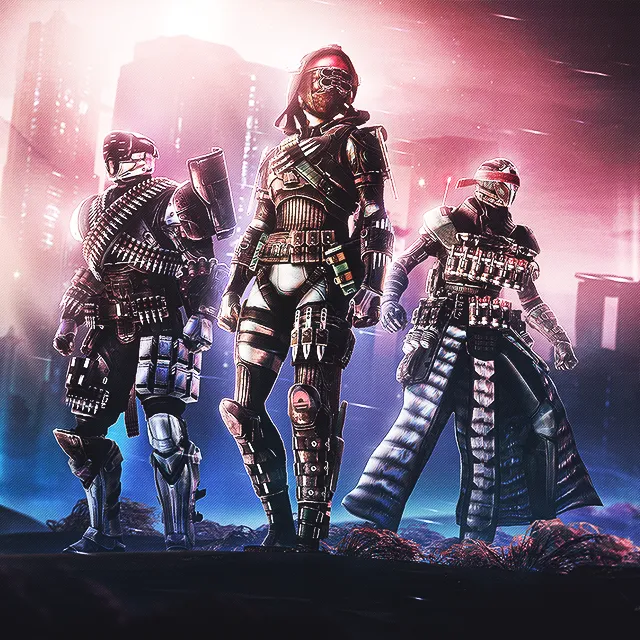
Hello and welcome. My name is Librarian Husky. With the Edge of Fate expansion, now is one of the best times to jump into Destiny 2 as it acts as a new starting point for the saga. This guide covers everything from class choices and subclasses to weapons, armor, inventory management, and navigating the game’s menus.
New Light Experience
The new player introduction called Into the Light provides a brief overview of Destiny 2 systems. While useful, it is limited, so this guide rehashes important information to help new players. Completing this quest first is recommended before exploring the game in greater detail.
Class Options
Players can choose from three main classes: Warlock, Hunter, and Titan. Each has unique abilities but can participate in all types of PvE and PvP content. Since three character slots exist, creating one of each class is ideal to explore their strengths before selecting a main.
Weapons Overview
Weapons range from common and rare to legendary and exotic. Exotic items are powerful staples of builds but limited to one weapon and one armor piece equipped at once. Legendary items make up the bulk of gear. Weapon perks, stats, mods, and cosmetics define performance and customization.
Armor Basics
Armor has received major changes. Mods allow for damage resistance, ammo generation, and orb of power creation, which restores super energy. Armor also boosts core stats like resilience, melee cooldown, grenade energy, and class abilities, all of which contribute to build effectiveness.
Important Armor Mods
Siphon mods generate orbs of power on rapid kills, while chest mods provide resistances. Boots can grant healing or damage boosts through surge mods. Class item mods like Bomber and Reaper enhance grenade and melee regeneration, making armor mods central to any effective build.
Tier System for Gear
Weapons and armor now have tiers. Higher tiers mean better stats or enhanced perks. Early players should aim for tier three as a balance between availability and power. Weapons at higher tiers include improved traits, but even lower tiers can perform well for most content.
Subclass Choices
There are currently six subclasses: Solar, Void, Arc, Strand, Stasis, and Prismatic. Solar focuses on fire abilities, Void on shadowy magic, Arc on lightning, Stasis on ice, Strand on weaving constructs, and Prismatic combines elements. Each offers unique supers, abilities, aspects, and fragments.
Aspects and Fragments
Aspects act as additional abilities that shape playstyle and often grant fragment slots. Fragments provide passive buffs, such as melee energy or grenade regeneration on kills. Together they form the backbone of subclasses, allowing customization of builds to fit individual preferences.
Inventory and Currencies
The inventory holds consumables and currencies. Key materials include ascendant shards, enhancement prisms, and exotic ciphers, used for upgrading gear. Strange coins can be exchanged with vendors for exotics. Seasonal artifacts provide rotating bonuses that influence which builds are strongest during a given season.
Customization and Fashion
Transmog allows players to change armor appearance without sacrificing stats. Shaders and ornaments provide further cosmetic customization. Completing bounties grants synthesis materials, which convert gear into permanent cosmetic options. Fashion has become an important and fun element of Destiny 2 for many players.
Guardian Ranks and Triumphs
Guardian ranks serve as a progression system, guiding players through quests, activities, and milestones. Triumphs act as side objectives for achievements, while seasonal challenges grant experience and rewards. Collections track all unlocked items, ships, sparrows, emblems, shaders, and more for easy reference.
The Portal System
The portal serves as the hub for activities. It includes solo missions, fireteam operations, crucible PvP, and pinnacle challenges for exotic rewards. Activity difficulties include brave and legend, with higher challenges granting better rewards. This system allows flexible play for solo or group preferences.
Destinations and Exploration
Players can explore multiple zones such as the Cosmodrome, EDZ, Europa, Neptune, and Throne World. Free-to-play areas include Nessus and EDZ, while expansions unlock additional locations. Public events, exploration, and hidden secrets make each destination rich with opportunities for rewards.
Vendors and the Tower
Vendors provide vital services: Ikora Ray for subclass upgrades, Master Rahool for engram decoding, and Banshee for weapons. Commander Zavala offers PvE rewards, Shaxx handles crucible gear, and other characters provide raid or seasonal quests. The Tower serves as the social hub and equipment center.
Building Toward Endgame
Endgame activities include raids, Trials of Osiris, and pinnacle operations. These grant higher-level rewards and exotic gear. Players should aim to complete campaigns on higher difficulty to prepare for raids, and continuously upgrade gear through the portal and vendor systems to stay competitive.
Final Thoughts
Destiny 2 offers a deep and evolving experience with a mix of RPG mechanics and shooter gameplay. By learning classes, managing inventory, and mastering the portal system, players can build powerful guardians. While expansions unlock more content, even free-to-play offers a foundation to grow from.
Thank you for diving into our guide! Discover our exceptional Destiny 2 boosting services and elevate your gaming experience with our top-tier boosts.