

Free guides in Counter Strike 2

These guides are made for players who want clear CS2 advice without paying for a coaching session. Start with the topic that matches your current problem, then test one change in your next matches.


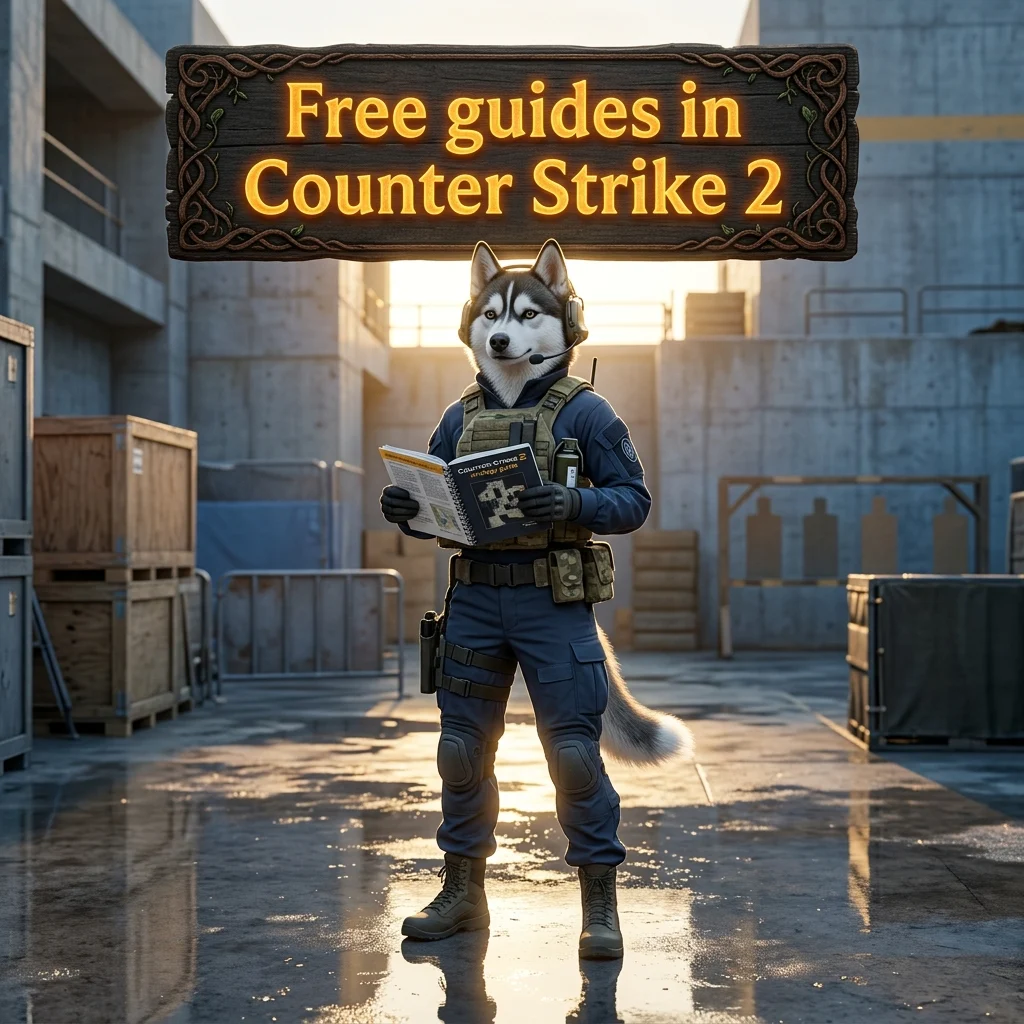
Free Counter-Strike 2 guides
Counter-Strike 2 rewards good decisions as much as fast aim. A player can lose a round after winning the first duel, waste utility too early, or take a fight without enough information. Small errors become costly when they happen every round.
These free CS2 guides focus on practical improvements that you can test in normal matches. They are useful for players who want to understand a problem before changing their settings, practice routine, or round approach.
Choose the right CS2 guide
Start with the part of your game that causes the most repeated losses. Trying to fix everything at once makes progress difficult to measure.
- Aim and movement: Review crosshair placement, movement control, and how you take common fights.
- Positioning: Learn to consider cover, escape routes, teammate support, and the information available before committing.
- Utility decisions: Study when a grenade can create space, delay a push, or support a teammate instead of being thrown without a clear purpose.
- Economy choices: Think about how one purchase affects the next round rather than treating every round as an isolated buy.
- Round decisions: Review timing, trades, rotations, bomb-site pressure, and when it is better to preserve equipment or wait for information.
Improve your CS2 round decisions
Many lost rounds are not caused by one bad shot. They begin with a rushed decision. Before taking a fight, ask what information you have, who can trade you, and what happens if the duel is lost.
After each match, choose a few rounds to review instead of judging the whole game. Look for repeated patterns: entering alone, re-peeking after damage, rotating too early, using utility without support, or ignoring the available clock. A simple review can reveal a bigger issue than a low scoreboard position.
Review your first contact
The first fight often changes the shape of a round. Consider whether you had a reason to take it, whether your crosshair was ready, and whether a teammate could trade the duel. If the fight was avoidable, changing the setup may help more than adding another aim drill.
Use information before rotating
Sound, utility, teammate calls, and visible opponents can all affect a rotation. Do not treat one piece of information as proof of the entire enemy plan. A slower response with better information can prevent a difficult retake or an empty-site defense.
Build a simple CS2 practice routine
A useful routine should be easy to repeat. Start with a short warm-up, then focus on one skill during your matches. For example, you can track crosshair placement for one session and utility timing during the next.
Keep notes on mistakes that appear more than once. A short list is enough:
- Where did the first death happen?
- Was the fight supported or isolated?
- Was useful utility still available?
- Did the round plan change after new information?
- Was the loss caused by aim, timing, positioning, or communication?
This approach gives each match a clear purpose. It also makes improvement easier to track than simply counting wins and losses.
Common CS2 mistakes to avoid
Some habits feel active but create little value. Constantly changing settings, copying a new setup every day, or chasing every fight can hide the real problem. Improvement usually comes from repeating a small number of correct actions under pressure.
Another common mistake is blaming teammates before checking your own options. Team play matters, but you can still review whether your call was clear, whether you played close enough to trade, and whether you gave useful information after contact.
How to use these free guides
- Pick one problem that appears often in your matches.
- Read the guide related to that problem.
- Choose one change to test in your next games.
- Review whether the change affected your decisions.
- Keep it, adjust it, or move to the next issue.
Do not expect one tip to fix every match. Counter-Strike 2 has different situations, teammates, opponents, and round states. The goal is to make your decisions more repeatable and easier to review.
Free CS2 guide FAQ
Are these CS2 guides free?
Yes. The guides are available without a paid coaching session or service order.
Who are these guides for?
They are suitable for players who want practical Counter-Strike 2 advice, from newer players to experienced users working on repeated match problems.
Can guides replace practice?
No. A guide can explain a decision or habit, but improvement still requires testing the advice in matches and reviewing the result.
What should I read first?
Start with the topic linked to your most common loss: aim, movement, positioning, utility, economy, or round decision-making.
Start with one CS2 improvement
Choose one guide, apply one idea, and review it across several rounds. A focused change is easier to understand than a complete overhaul of your playstyle. Return to the guides when a new progression problem appears.