

New World Aeternum: The Complete Starter Guide for Absolute Beginners

- Choosing Crafting Skills for Your Archetype
- Enhancing Crafting and Group Dynamics
- Exploring Different Playstyles in Game Crafting
- Getting Started in New World
- Guidance on Playing New World’s Main Storyline Together
- Quests in the Journal
- Game Storyline and Progression
- Character Progression in the Game
- Optimizing Weapon Damage in the Game
- Optimizing Stat Points for Weapon Damage
- Optimizing Stats for Combat
- Weapon Mastery XP and Leveling Guide
- Choosing Abilities and Focusing on Skill Trees
- Optimizing Weapon Mastery Skill Points
- Rerolling and Respeccing in the Game
- Understanding Crafting Stations and Materials
- The Importance of Crafting in New World
- Materials Trading in New World
- Gear Score and Item Stats
- Gearing Up for Success
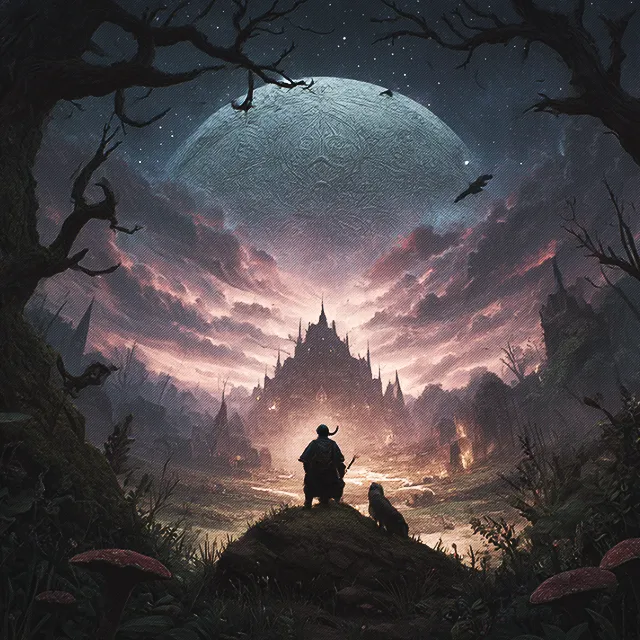
Hello Adventurer! I’m Librarian Husky, here to guide you through the world of New World. Unlike other RPGs, this game lets you switch your weapons and play style whenever you want—so your archetype choice isn’t set in stone. Want to start as a Musketeer but later try out an Occultist? Just equip a Fire Staff and Ice Gauntlet, and you’re good to go! The only permanent decision is your character’s appearance.
Choosing Crafting Skills for Your Archetype
Crafting skills usually align with your archetype’s playstyle and weapons. When leveling in a group, consider picking different archetypes to create a synergy between crafting skills. For instance, if your group has a Musketeer, a Ranger, and a Soldier, you get bonuses in Armoring (Musketeer), Engineering (Ranger), and Weaponsmithing (Soldier). This diversity allows the team to craft a wide variety of weapons and armor, benefiting everyone.
Collaborative Crafting for Group Play
Choosing complementary crafting skills among group members leads to a synergistic advantage. This strategy broadens the team’s crafting capabilities and enhances overall effectiveness, contributing to greater success in combat.
Enhancing Crafting and Group Dynamics
Crafting for each other in the group helps everyone progress faster, making early tournament days smoother and more efficient.
Role Specialization in Group Play
New World retains classic RPG roles: tank, healer, and DPS. For tanking, the Soldier archetype is ideal, as it excels at frontline damage absorption. The Mystic is the best choice for healing, while other archetypes work well for DPS. If playing solo, the Ranger is a strong recommendation.
Exploring Different Playstyles in Game Crafting
The bow and spear are excellent choices for the lone wolf playstyle. Their crafting bonuses allow you to create better weapons and tools, helping you gather resources efficiently early on.
Choosing Your Archetype
When selecting an archetype, don’t stress too much about the decision. Pick the playstyle that looks the most fun to you. You can always switch weapons later. However, if you’re playing in a group, it’s wise for each player to choose a different archetype to maximize crafting bonuses.
Getting Started in New World
After customizing your character and choosing an archetype, you will enter the tutorial where you learn the basic controls and mechanics of New World: DET tum. Once completed, you will spawn in one of two starting zones: Windsward (central-right of the map) or Monarch’s Bluff (left side of the map). Both zones cover levels 1 to 17 and offer similar resources, enemy difficulty, and quest types. The main difference lies in their respective main storylines and side quests.
Playing with Friends in New World
If you and your friends start in different locations, don’t worry. Within a few hours of gameplay, you will converge in Everfall—a settlement near both starting zones—where you can continue the main storyline together.
Guidance on Playing New World’s Main Storyline Together
Playing through the first few hours will naturally bring you and your friends to Everfall. If playing side-by-side from the beginning is important, consider recreating characters to start in the same location and experience the same storyline zone together.
Benefits of Completing the Main Storyline Questline
Completing the main storyline is highly recommended as it grants substantial experience, gold, and valuable items. It also unlocks new zones for higher-level gameplay. You can distinguish main storyline quests from side quests by checking your journal.
Quests in the Journal
The journal organizes quests into two sections: main storyline quests and side quests. On the map, main quests are marked with large, shiny icons featuring crossed hatchets, while side quests are smaller and more numerous. Although side quests are optional, they often relate to the main story in the same area and provide valuable experience, gold, and additional lore.

Related Quests on the Map
As you complete the main storyline in Monarch’s Bluff or Windsward, new quests will appear in the opposite area, encouraging you to explore both zones.
Game Storyline and Progression
For example, after finishing the storyline in Brightwind (Monarch’s Bluff), a quest will appear in Corrinth (Windsward’s main settlement). This allows players to experience both starting areas without needing to create a new character. While these quests don’t provide much experience, they offer the full narrative for those interested.
Progression Path and Settlements
To progress efficiently, follow the main storyline quests leading to Everfall, where you will meet Jonas, and eventually continue to the Oxfoe settlement.
Character Progression in the Game
Following the main storyline, defeating enemies, and leveling up will grant you attribute and weapon mastery points. These points improve your damage output, survivability, healing capabilities, and other combat-related skills.
Earning and Using Attribute Points
Attribute points are awarded only upon leveling up. Higher levels grant more points, so plan carefully how to invest them to maximize your character’s strengths.
Optimizing Weapon Selection
To allocate attribute points effectively, focus on your weapon’s primary stat. Check your weapon’s details in the main menu or attributes page to see which attributes, like intelligence, influence its damage and performance.
Optimizing Weapon Damage in the Game
When you invest points into intelligence, weapons that scale with this attribute will deal more damage. Similarly, putting points into dexterity increases damage for weapons aligned with dexterity. Some weapons, like the spear, appear in both the strength and dexterity categories. However, the spear’s main scaling is with dexterity, which is indicated by a brighter highlight, while its strength scaling is less prominent.
Understanding Weapon Attributes
Allocating points in intelligence improves the damage output of intelligence-based weapons. Investing in dexterity boosts a different set of weapons. The spear is a hybrid case, falling under both strength and dexterity, but its primary scaling favors dexterity, with a minor contribution from strength.
Optimizing Stat Points for Weapon Damage
To maximize damage, focus your stat points on your weapon’s primary attribute. For example, the spear’s damage benefits mostly from dexterity, which provides around 90-95% damage scaling—nearly a one-to-one ratio—while strength offers only about 65% scaling, making it less efficient.
Strategic Stat Allocation
Prioritize placing most points into your weapon’s main stat for the best damage output. Allocate roughly one point out of every three or four into constitution to increase your character’s hit points, even though it does not boost damage. Additionally, aim to reach important attribute thresholds at 25, 50, 100, and 150 points, as these milestones often unlock bonuses. Focus on hitting these thresholds before investing heavily in other stats to maximize your character’s potential.
Optimizing Stats for Combat
When planning your stats, consider reaching important threshold bonuses, as they provide significant advantages. For example, if you use a spear, aiming for around 100 or 150 points in dexterity can greatly enhance your damage. Afterward, investing 25 to 50 points into strength may offer additional benefits depending on your playstyle.
Efficient Healing Strategies
For healers using the Life Staff, the key attribute to focus on is focus. Only points invested in focus will increase your outgoing healing. Other stats do not improve healing effectiveness, so healers should prioritize maxing out focus.
Tanking Strategies for RPG Players
Tanks should prioritize investing points into constitution to increase survivability. However, it is also important to allocate points into your tanking weapon’s primary stat—whether that is strength, dexterity, or another attribute—so you can effectively hold the enemy’s attention with damage output.
Maximizing Tank Effectiveness
Balancing your attributes is essential as a tank. While constitution boosts your durability, maintaining strength or dexterity ensures your weapon damage remains competitive. Weapon mastery increases through actively participating in enemy kills or assisting teammates. If you have your weapon drawn when a nearby teammate defeats an enemy, you will gain weapon mastery XP credited to your progress.
Weapon Mastery XP and Leveling Guide
When swapping between two different weapons and dealing damage with both, each weapon will earn its own weapon mastery XP. Early kills grant rapid weapon mastery level-ups, but as you approach mastery level 20, the maximum, gaining new levels requires significantly more kills.
Understanding Weapon Mastery Levels
Unlike attributes such as strength, dexterity, intelligence, focus, and constitution, weapon mastery points are spent on unlocking passives (small circles) and abilities (larger square icons). It’s recommended to unlock a few abilities early, such as two from the left side of the skill tree and one from the right, or focusing entirely on one side.
Choosing Abilities and Focusing on Skill Trees
Choose abilities that appeal to your playstyle. Both attribute and weapon mastery points can be rerolled at any time, so don’t worry about making “wrong” choices. Initially, it’s best to pick some abilities and then concentrate your points on either the left or right side of the skill tree to unlock the ultimate ability.
Unlocking the Ultimate Ability
The ultimate ability is represented by the large circle at the bottom of the skill tree. To unlock it, you must invest 10 points into that side of the tree.

Optimizing Weapon Mastery Skill Points
Ultimates tend to be very powerful, so aim to spend your first 11 weapon mastery skill points mostly on one side of the tree, unless another ability on the opposite side really catches your interest. This approach will help you unlock your ultimate faster.
Flexibility in Skill Point Allocation
Remember, your choices are flexible. You can reallocate skill points whenever you want, so don’t stress about perfecting your build from the start. Experiment with different abilities and find what suits you best.
Rerolling and Respeccing in the Game
It is very easy to reroll and respec both your weapon mastery and your attributes as you see fit, allowing for flexible character builds.
Understanding Crafting Stations and Materials
To know which crafting station is needed for a specific recipe, hover over the icon at the bottom left of the skill’s recipe page. Most crafted items require refined materials, which are produced at the smelter, woodshop, tannery, loom, and stone-cutting table. To create these refined materials, you need raw resources gathered using tools crafted through trade skills—forming a crafting cycle.
Gathering Items in Exploration
As you explore the world, you will gather various resources that serve as the foundation for crafting progression.
The Importance of Crafting in New World
Crafting plays a vital role in New World, enhancing your character’s abilities and providing valuable resources. Focusing on trade skills helps you level up more efficiently and create powerful items to support your adventures.
Enhancing Character Skills through Crafting
Leveling up your character’s Ranger archetype by using logging, woodworking, and engineering boosts allows you to craft superior bows and spears, making your character significantly stronger. Crafting higher-tier gathering tools early accelerates material collection, facilitating upgrades in refining and other trade skills.
Benefits of Engaging in Trade Skill Systems
While you can progress in the game purely through combat, participating in New World’s trade skill systems offers advantages in character development. Crafting items such as instruments, armor, and potions enhances your gameplay and provides opportunities to earn valuable resources for trading with other players.
Materials Trading in New World
In New World, you can buy and sell materials with other players. These materials are typically gathered by chopping down trees or picking them up from the environment. After collecting raw materials, you refine them at refining stations before crafting them into weapons, armor, jewelry, and other useful items.
Character Progression and Gear Score
As your character levels up in New World, your gear score should increase accordingly. You can check your current gear score by opening your inventory—this number reflects your overall equipment strength and effectiveness.
Gear Score and Item Stats
You can view the gear score of each item equipped or in your inventory by hovering over the item. Higher gear score items generally provide better stats—armor pieces grant more armor rating, while weapons deal higher damage. When upgrading gear, prioritize items with higher gear score that also align with your character’s playstyle. For example, if you are playing a Destroyer archetype using strength-based weapons like a Warhammer or Great Axe, don’t sacrifice important stats like strength or constitution just for higher gear score boots that have irrelevant stats like focus.
Item Rarity Consideration
Another important factor when selecting gear is the item’s rarity. Rarer items often come with better bonuses and unique attributes, so balance gear score with rarity for the best overall performance.
Gearing Up for Success
Aim for higher gear score gear to boost your damage, armor, and overall stats, which will make leveling and combat more effective and enjoyable.
Understanding Gear Score and Rarity
It’s important to weigh the benefits of gear score against rarity. Sometimes, a higher gear score item isn’t always the best choice if it doesn’t fit your build or if it can be salvaged or sold for better options. Always consider both stats and rarity before equipping new gear.
Thank you for diving into our guide! Discover our exceptional New World boosting services and elevate your gaming experience with our top-tier boosts.